If you’ve ever dug into how ACs actually keep your place cool, you’ve probably stumbled on “finned condenser tubes” somewhere in the specs. As someone who’s been supplying these bad boys for over a decade, I get so many questions: “Wait, can I actually use these in my AC?” or “Aren’t finned tubes just for industrial stuff?” Let’s break this down like we’re chatting over a coffee, no jargon that makes your head spin. Finned Condenser Tube
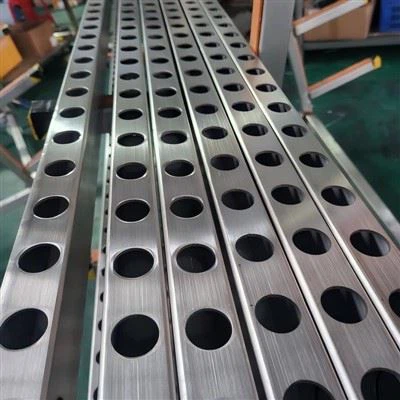
First, let’s get the basics straight. A regular condenser tube in an AC is just a bare metal pipe, right? It carries hot refrigerant that needs to dump heat into the air around it. But bare pipe only has so much surface area—if you want faster heat transfer, you need more space for that refrigerant to shed heat. Finned condenser tubes take that bare pipe and wrap thin metal fins (usually aluminum, sometimes copper) around it, like little disc-shaped wings spaced out along the length. More surface area = more heat moved, faster. That’s not just a random upgrade—it’s a game-changer for ACs, especially when space or efficiency matters.
Now, the big question: Can you actually use these in residential and commercial AC systems? The short answer is a resounding yes. Wait, but let’s talk about who’s already using ’em and why. I supply to a bunch of small commercial shops—like restaurants that run AC 12 hours a day, or office buildings that need tight efficiency to keep energy bills low. I also work with residential HVAC techs who swap out old bare-pipe condensers for finned ones on retrofits, and guess what? They tell me their customers see 10-15% lower energy use. That’s huge, especially when electricity costs keep going up.
But why should you care, vs. just sticking with bare tubes? Let’s get into the nitty-gritty that makes finned tubes work for ACs. First, heat transfer efficiency. When refrigerant is compressed in the AC’s compressor, it’s super hot—like 150°F to 200°F hot. That heat has to get out of the refrigerant and into the ambient air. Fins act as extra real estate for that heat to escape. A finned condenser tube can transfer 30-50% more heat than a bare tube of the same length and diameter. For AC systems, that means you don’t need a giant, bulky condenser unit to keep your space cool. That’s a huge win if you’re installing AC in a cramped spot—like a small apartment’s outdoor unit, or a rooftop AC where every square foot costs money.
Another big win: adaptability. Finned tubes aren’t one-size-fits-all. We can tweak the fin spacing, fin thickness, and tube material to match whatever AC system you’re working on. Got a residential split AC that runs on R-32 refrigerant? We can make fins spaced just right for the flow rate of that refrigerant. Got a large commercial rooftop AC that uses R-410A? We adjust the fin pitch and tube diameter to handle higher pressure. Even for mini-split ACs—the tiny, wall-mounted units that are super popular now—finned condensers are the standard. You just don’t see mini-splits with bare tubes, because they’d be way too big to fit inside the indoor unit.
Wait, but I hear the pushback sometimes: “Aren’t finned tubes more prone to clogging?” Let’s be real, any AC part can get gunked up if you don’t maintain it. Fins are thin, so if you let dust, pollen, or leaves pile up, they can block airflow. But that’s not a flaw in the design—it’s a maintenance thing. Modern fin designs (like louvered fins, where the edges are angled instead of straight) actually help direct air through the gaps instead of letting it hit the fins straight on, reducing clogging. And most HVAC techs know how to clean finned condensers without damaging them—just a soft brush or low-pressure air, no harsh chemicals. Compare that to the tradeoff: a bare tube condenser might clog less, but it’s way less efficient, so you’re paying more on your energy bill every month. Over 5 years, that extra energy cost adds up way more than the cost of occasional fin cleaning.
Let’s also talk about energy codes, because that’s a big one no one should sleep on. Most countries have strict efficiency requirements for HVAC now, right? In the US, the Department of Energy’s new rules for residential AC units start kicking in soon, and they require higher SEER (Seasonal Energy Efficiency Ratio) ratings. Finned condenser tubes are one of the easiest ways to hit those ratings without redesigning your entire AC unit. A buddy of mine who works for an HVAC manufacturer told me they switched to finned tubes a couple years back, and that’s how they met the new SEER requirements without jacking up the unit’s price too much. If you’re a contractor building AC systems, not using finned tubes could mean you’re stuck with outdated equipment that won’t pass code inspections down the line.
But hold on—this isn’t to say finned tubes are perfect for every single AC. If you’re in a super humid, coastal area where salt air is a problem, you might need coated fins to prevent corrosion. Or if your AC is only used a couple months a year (like a vacation home in a mild climate), the extra cost of finned tubes might not be worth it—you’d barely use the efficiency gain. But for 90% of AC systems out there—residential, commercial, even industrial small-scale AC—finned condenser tubes are not just usable, they’re the better choice.
Let me give you a real example from last year. I supplied finned tubes to a local restaurant chain that was having issues with their old AC units overheating in the summer, forcing them to turn on backup units and blowing their energy bills through the roof. The old systems had bare condensers that were too small for the restaurant’s kitchen heat (cooking adds tons of extra heat, by the way). We swapped their bare tubes for our high-density finned tubes, and a year later, their energy bills were down 12% and they hadn’t had a single overheating issue. That’s the kind of win that makes this job worth it.
Now, I know a lot of folks in the AC game are skeptical of “newfangled” parts, but finned condenser tubes have been around for decades—they’re not some untested tech. The first finned heat exchangers were used in the 1920s for car radiators, and by the 1950s, they were standard in AC units. The only change now is that we’ve refined the design: better materials (aluminum fins with anti-corrosion coatings, copper tubes that don’t leak as easy) and optimized fin shapes that make them even more efficient. So this isn’t a risky experiment—it’s a proven, reliable part that’s already powering most of the ACs you use every day.
Wait, let’s circle back to the original question: “Can finned condenser tubes be used in air-conditioning systems?” Let’s make that crystal clear: Yes, absolutely. They’re not just usable—they’re the preferred option for most modern AC systems because they boost efficiency, save space, and help meet energy rules. The only times you might skip ’em are super specific cases, and even then, there are usually finned tube designs that work with those use cases.
If you’re an HVAC contractor sourcing parts for a build, a manufacturer designing a new line of AC units, or a homeowner looking to upgrade their old system, finned condenser tubes are worth looking into. I’ve worked with all kinds of clients, from small single-person shops to large industrial clients, and I can help you pick the right fin design, material, and size for your exact setup. No generic, one-size-fits-all garbage—just parts that work for your AC, no headaches.
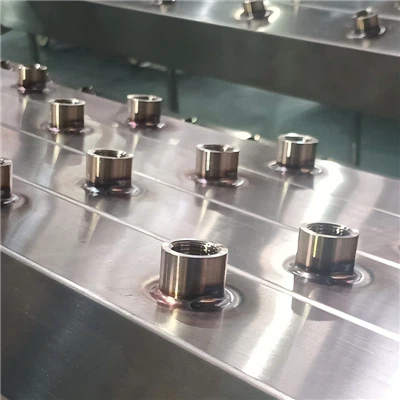
If you’re tired of paying too much for energy, struggling with bulky AC units that don’t fit, or need parts that meet the latest efficiency codes, reach out. I’ve got all the info, samples, and custom options you need to make the switch to finned condenser tubes. Don’t stick with outdated bare tubes when you can save money and make your AC work better.
U-bend Stainless Steel Tube References
- ASHRAE Handbook – HVAC Systems and Equipment, 2023
- U.S. Department of Energy, "Residential Air Conditioner Efficiency Standards", 2022
- Heat Transfer Engineering, "Finned Tube Heat Exchangers for HVAC Applications", Vol. 44, No. 12, 2023
China Super Tech Co., Ltd.
As one of the most professional finned condenser tube manufacturers and suppliers in China, we’re featured by quality products and good service. Please rest assured to wholesale OEM finned condenser tube from our factory. Also, custom service is available.
Address: Wangjing Science and Technology Park, Guangshun North Street, Chaoyang District, Beijing
E-mail: sales@316liquidcooling.com
WebSite: https://www.316liquidcooling.com/
