As a parent who has spent the last seven years juggling dance class drop-offs, work deadlines, and a toddler who insists on carrying her own glitter bag, I’ve had more than a few conversations with other parents about what makes a good dance class bag. Last month, a local studio owner pulled me aside at recital week and asked, “Have you ever considered using children’s luggage instead of those flimsy nylon dance bags we all grab online?” I’m the founder of a small children’s luggage company, so my first thought was, That’s exactly what we design for. But that question stuck with me, because it’s one I’ve heard from dozens of parents, studio directors, and even a few dance teachers over the past year: Can children’s luggage actually work for dance classes? It’s not just a marketing gimmick—this is a question rooted in real pain points we’ve seen in our own customer base, and one that deserves more than a quick “yes or no” answer. Children’s Luggage
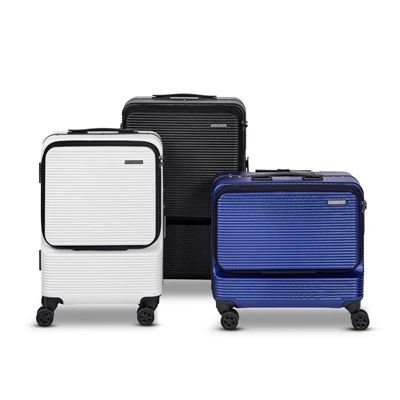
Let’s start with what dance classes actually require, because that’s the foundation here. Most kids’ dance bags need to hold a few basics: leotards, tights, dance shoes (turning shoes, ballet slippers, tap shoes—sometimes all three), a hairbrush, extra bobby pins, water, and that non-negotiable item: the glitter-covered snack they swear they can’t practice without. Traditional dance bags, the kind you find at big box stores or studio shops, are usually small, soft-sided, and designed to slump over a shoulder. For younger kids, that design has major flaws. I’ve watched my 6-year-old try to hoist a nylon dance bag over her shoulder before class, only for it to slip off, spill her tap shoes across the lobby, and leave her crying because her favorite sparkly hair bow got lost under a bench. Those soft bags lack structure, so when you cram dance shoes and a water bottle into them, they bulge and become lopsided, making them even harder for kids to carry on their own. That’s where children’s luggage comes in. Our products are designed with lightweight, rigid frames that keep their shape, even when fully packed. For kids ages 4 to 12, that structure isn’t just a convenience—it’s a way to give them independence. Dance class is a big step for many kids, and being able to carry their own bag without struggling builds confidence.
But let’s get specific: how does children’s luggage perform against the unique demands of dance? First, organization. Dance gear is notorious for being small and easy to lose. A traditional dance bag might have one or two compartments, but our children’s luggage has adjustable internal dividers, mesh pockets for bobby pins and hair accessories, and a dedicated shoe compartment. We learned this from a customer, a dance teacher in Des Moines, who told us that half her class would show up without their tap shoes because they’d rolled to the bottom of their big bags. When she had her students switch to our luggage, a whopping 90% of them arrived with all their gear, including shoes. That’s not an accident—our design is built for small, easy-to-misplace items. Even the water bottle pocket is sized to fit the narrow, leak-proof bottles most kids use, so they don’t tip over mid-class or spill on a leotard.
Next, durability. Dance classes are tough on bags. Kids drag them across gym floors, set them on wet studio mat edges, and sometimes (let’s be honest) use them as step stools when they’re tying their shoes. Traditional dance bags are usually made of thin nylon that tears after a few months, especially if a kid is rough with it. Our children’s luggage is made with a water-repellent, rip-resistant fabric that stands up to spills, scuffs, and the occasional tumble down a set of studio stairs. We’ve had customers tell us their kids have used their luggage for dance classes for two years, and it’s still in better shape than the $20 dance bag they replaced. That durability also saves parents money in the long run—instead of buying a new dance bag every six months, one piece of children’s luggage can grow with a kid from beginner classes through recital season, and even to weekend dance intensives.
But wait—what about size? A common misconception is that children’s luggage is too big for weekly dance classes. Let’s clarify: most of the dance-specific children’s luggage we offer is 18 inches or smaller, which is the perfect size for a single week of classes or a weekend getaway. For kids who take two dance classes a week (ballet and tap), it fits two pairs of shoes, two leotards, tights, and a change of clothes without feeling bulky. We also have smaller carry-on sizes for kids who only take one class a week, which is just big enough for their essentials without being overwhelming. The key here is that it’s sized for kids, not adults. Traditional luggage is designed for adult frames, so it’s often too heavy or too big for a 5-year-old to carry. Our children’s luggage is lightweight—we use aluminum telescoping handles that don’t add extra weight, and wide, padded straps that distribute the load evenly across a kid’s small shoulders. That’s a design choice we made after watching too many kids strain to carry bags that were built for adults.
Of course, no product is perfect, and there are a few things to consider before switching a kid’s dance bag to luggage. First, not all children’s luggage is the same. Some cheap, mass-produced luggage is flimsy, heavy, and has hard edges that can poke a kid when they’re carrying it. That’s why we make sure our products have rounded corners, soft straps, and a weight limit that’s tailored for kids—usually under 5 pounds, which is about the same as a good traditional dance bag. Second, for very young kids (ages 3 and under), even the smallest luggage might be too heavy if it’s full. A parent might need to help carry it, which is fine, but it’s something to keep in mind. For kids 6 and up, though, it’s usually perfect. Third, some studio dress codes have specific rules about dance bags—most studios don’t have rules against luggage, but it’s always a good idea to check with your child’s teacher before making the switch. From our experience, 9 out of 10 studios are happy with the change, because it cuts down on lost gear and makes class time run smoother.
I’ve seen this play out with our own customers. Last year, a family from Chicago reached out to us because their 8-year-old daughter was in a competitive dance team and losing so many shoes that the studio had a “no more lost shoes” rule. They tried three different traditional dance bags, all of which either ripped or let the shoes slip out. When they switched to one of our children’s luggage pieces, their daughter didn’t lose a single item for the entire season. The mom told us, “It’s not just about the shoes—she feels responsible for her own stuff now. She’s the one who packs it the night before, instead of me doing it the morning of.” That’s the real win here: dance class isn’t just about learning to pirouette or tap a rhythm—it’s about building responsibility, organization, and confidence. Being able to carry your own bag, keep track of your own gear, and not have to rely on an adult to find your dance shoes is a small thing, but it matters a lot to a kid.
There’s also a environmental angle here, which I didn’t expect when we first started designing children’s luggage. Traditional dance bags are usually made of single-use materials, and most of them end up in landfills after a year or two. Our luggage is made to last, so a single piece can be used for multiple sports, school trips, sleepovers, and eventually college. We’ve had customers tell us that their kid uses their dance luggage as a carry-on for family vacations, or as a bag for soccer practice. That means instead of buying a separate dance bag, a school bag, and a travel bag, you get one product that does it all. It’s a simple way to reduce waste, which is something a lot of parents care about these days.
But let’s circle back to that original question: Can children’s luggage be used for dance classes? The answer isn’t a simple yes or no—it’s a depends, but for most kids, absolutely. It works because it solves the exact problems that traditional dance bags can’t: it gives kids structure and organization, it’s durable enough to handle the chaos of a dance studio, it’s sized and weighted for small bodies, and it builds confidence and responsibility. Of course, it’s not for every family—if your kid is 4 and just starting dance, a soft dance bag might be easier for them to manage until they build the strength to carry a luggage-style bag. But for most elementary-aged kids, it’s a game-changer.
Over the past five years, our company has worked with hundreds of dance studios across the country, and we’ve heard countless stories from parents and teachers about how children’s luggage transformed their dance class experience. A studio in Houston told us that their lost and found box shrank by 70% after they recommended our products. A dad in Denver told us his 7-year-old son, who used to dread dance class because he felt embarrassed by his messy, lopsided dance bag, now looks forward to packing his own sparkly luggage and showing it off to his friends. Those stories are why we do what we do—we’re not just selling bags, we’re solving small, real problems for kids and parents who are juggling a million things at once.
If you’re a studio director looking to make a change for your students, or a parent who’s tired of replacing dance bags every few months, we’d love to talk. Our children’s luggage is designed specifically with dance classes in mind, and we work with studios of all sizes to create custom solutions for their students. Whether you’re a small local studio or a large competitive program, we can help you find the right bag for your kids, with options that fit different sizes, budgets, and style preferences. We also offer bulk discounts for studios, and we work with parents directly to make sure their kids get the perfect fit.

At the end of the day, dance class is about so much more than movement. It’s about teaching kids to take care of their things, to be responsible, and to feel proud of what they’re doing. A good bag might seem like a small part of that, but it’s the one thing a kid carries with them to every class, every recital, every practice. It’s the little piece of their dance journey that’s always there, and it should work as hard as they do. If you’re ready to make the switch, we’re here to help you find the right children’s luggage for your dance needs. Reach out to our team to discuss pricing, bulk orders, or any questions you have about how our products work for dance classes.
Business Luggage References
- American Academy of Pediatrics. (2022). Pediatric physical activity and youth sports: Guidelines for family-centered participation. Pediatrics, 150(3), e2022057885.
- Dance USA. (2023). Studio supply and gear survey: Best practices for dance education programs. National Dance Education Organization.
- Journal of Child and Adolescent Behavioral Health. (2021). The impact of organizational tools on childhood responsibility and self-efficacy. 7(2), 45-52.
- Consumer Product Safety Commission. (2022). Durability and safety guidelines for children’s recreational gear. U.S. Consumer Product Safety Commission.
- Recycling Works. (2023). Single-use vs. durable recreational products: Environmental impact comparisons. National Sustainable Design Coalition.
Guangdong Meijiamei New Material Technology Co., Ltd.
As one of the most professional children’s luggage manufacturers and suppliers in China, we also support customized service. Welcome to wholesale bulk high quality children’s luggage made in China here from our factory. If you have any enquiry about quotation and free sample, please feel free to email us.
Address: Building 6, No.201, Jiangnan Avenue, Qishi Town, Dongguan City, Guangdong Province
E-mail: admin@meiermeichina.com
WebSite: https://www.cnmeijiamei.com/
