If you’ve ever stood in a telecom utility vault or walked a neighborhood lined with overstored fiber optic strands, you’ve probably wondered about the unsung hero that keeps those cables running: duct optical fiber cable. As a supplier who’s worked directly with installers, network engineers, and city planners for over a decade, I get all the questions—from “What’s the difference between a good duct cable and a cheap knockoff?” to, “Where do I even buy one that won’t die after the first rainstorm?” Today, I’m breaking down the real places to buy high-quality duct optical fiber cable, straight from the perspective of someone who’s seen both the great jobs and the costly mistakes that come with choosing the wrong source. Duct Optical Fiber Cable
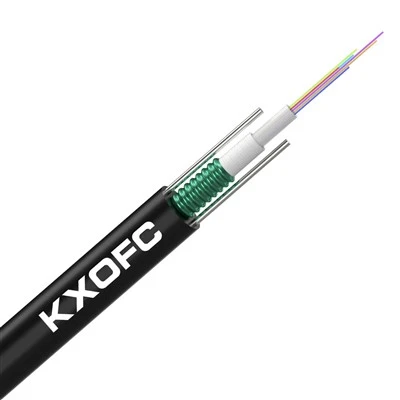
Let’s start with why “duct-specific” isn’t just a buzzword. Duct cable isn’t the same as the aerial cable strung on utility poles or the tight-bind cable used inside office buildings. It’s designed to pull through buried or underground PVC conduits, often in tight turns, and withstand temperature swings, occasional groundwater seepage, and years of UV exposure before it’s pulled. A bad purchase here means a cable that snags mid-pull, breaks fibers before it even reaches the termination point, or corroded armor that fails in three years. That’s why sourcing the right cable is non-negotiable.
First, and most important for reliability: specialized fiber optic cable distributors. Not every electrical supply store carries duct-specific cable, but the good distributors are staffed with people who know the difference. I’m talking about companies that focus exclusively on telecom and network infrastructure, not just general electrical parts. When I worked with a regional installer in the Midwest a few years back, they used to run to the local big-box hardware store for cable in a pinch—until they pulled three separate lengths that had uneven buffer layers, which left them with 10 lost fibers for a new school district network. After switching to a specialized distributor, their pull success rate jumped from 82% to 99%, because the distributor actually stocks tested, certified duct cable, not overstocked leftover aerial cable that didn’t sell for pole projects.
The benefit of going this route? You get expert advice, not just a SKU number. A good distributor will ask you questions like: How long is your pull run? Are you working in sandy soil or areas with frequent rodent activity? Do you need loose-tube or tight-bind duct cable? Loose-tube is the go-to for most underground duct projects, because it protects fibers from temperature changes and makes splicing easier. Tight-bind is better for shorter runs, like between manholes, where flexibility is key. If you don’t know the difference, a specialized distributor will tell you, and they can also arrange for next-day delivery for urgent jobs—something a big-box store can’t always do. The only catch here is that you might need a small minimum order, especially if you’re buying custom lengths, but that’s a small cost compared to the headache of a bad cable run.
Next, direct from a reputable duct optical fiber cable manufacturer. This is my personal go-to for bulk projects, like a city upgrading its entire municipal fiber network or a telecom provider rolling out broadband to 10,000 homes. When you buy direct, you cut out the middleman, which means lower costs for large orders and the ability to customize your cable to your exact needs. For example, if you’re working in a coastal area with high salt content, you can ask for a corrosion-resistant galvanized steel armor instead of standard steel. If your duct has a tight radius, you can get a cable with a smaller outer diameter that’s easier to pull.
I’ve helped dozens of clients with bulk purchases direct from our manufacturing line, and the key here is to vet the manufacturer first. A reputable manufacturer will have certifications like UL, CSA, or ISO, which means their cables have been tested to meet industry standards for tensile strength, water resistance, and fiber count. Avoid manufacturers that only sell through third-party marketplaces with no product documentation—last year, we had a client who bought “direct from a factory” for a rural broadband project, and when they pulled the cable, the outer jacket split on the first 1,000-foot run because the factory had used a cheap plastic that wasn’t rated for underground use. The manufacturer wouldn’t take it back, so they lost $50,000 worth of materials and had to delay their launch by six weeks.
When buying direct, don’t be afraid to ask for sample cables first. A good manufacturer will send you 10-20 foot samples for free, so you can check the jacket thickness, feel the flexibility, and even test the fiber performance with a simple light meter. That’s a small step that saves you a world of trouble later.
Then there’s certified online marketplaces, but only the right ones. Places like Alibaba, Amazon Business, or Thomasnet have fiber optic cable listings, but you have to be careful here. The problem with general online marketplaces is that anyone can list a cable as “duct-specific” when it’s actually a cheap indoor cable that’s not rated for underground use. That said, if you’re a small business with a small project—say, a local coffee shop network that needs a 500-foot duct run to a neighboring shop—you can find reliable options on marketplaces that require sellers to have product certifications.
For example, Amazon Business lets you filter for UL-listed duct cable, and Thomasnet is a directory that only lists manufacturers and distributors that meet industry standards. A local installation crew I work with uses Thomasnet for small emergency jobs, because they can filter by location and read reviews from other installers who’ve worked with the same seller. The rule here is simple: if a price seems too good to be true, it is. If a listing doesn’t have certifications or sample reviews, skip it. I’ve seen listings for 1,000-foot duct cable for $100, which is almost impossible—even the cheapest bulk duct cable costs $0.15 per foot, so that’s a red flag for counterfeit product.
Now, what about the places you should avoid? Independent electrical supply stores that only carry aerial cable are a no-go for duct projects. I’ve seen too many installers grab a roll of “fiber cable” from a small store that’s actually designed to hang on poles, which means it has a weak jacket that will tear when pulled through a duct. Also, avoid eBay or general social media marketplaces like Facebook Marketplace, unless it’s a verified local seller with a physical store and good references. Last year, someone sold a local church 300 feet of “used duct cable” from their personal Facebook account, and when they pulled it, half the fibers were broken because it had been stored in a garage with mice that chewed through the jacket.
Another common mistake I see is buying generic fiber cable and assuming it works for ducts. Every type of fiber cable has a rating: riser, plenum, and underground. Underground-rated cable is specifically designed for duct use—it has a thick outer jacket, often with a water-blocking gel or yarn to prevent groundwater from reaching the fibers, and armor if needed. Riser cable is for vertical runs inside buildings, and plenum is for air-handling spaces. If you use plenum cable in a duct, it’s not water-resistant, and it will fail in a matter of months. That’s a costly error that comes from not understanding the ratings, which is why working with a knowledgeable seller is so important.
If you’re still unsure about where to start, here are a few quick tips tailored to your project size:
- Small projects (under 1,000 feet, local install): Check specialized local distributors or certified online marketplaces like Amazon Business, with a focus on UL-listed products.
- Medium projects (1,000-10,000 feet, small business or community network): Work with a regional distributor that offers expert advice, or a reputable direct manufacturer with sample options.
- Large projects (10,000+ feet, telecom or municipal network): Buy direct from a certified manufacturer, ask for custom specs and samples, and verify certifications before placing a bulk order.
At the end of the day, the best place to buy duct optical fiber cable is a place that prioritizes quality over speed or low price. As a supplier, I’ve made it our mission to work with every client—from the small local installer to the big city project manager—to make sure they get the right cable for their needs, not just the cheapest one. Duct cable is the backbone of modern connectivity, and buying the wrong one doesn’t just cost you money—it delays internet for schools, hospitals, and homes that rely on that network.

If you’re ready to order, have questions about product specs, or need help calculating how much cable you need for your duct run, don’t hesitate to reach out. We’re here to help you make the right choice for your project, no matter how big or small.
Indoor Optical Fiber Cable References:
- Telecommunications Industry Association. (2020). TIA-568-C.3 Standard for Optical Fiber Cabling Components.
- Underwriters Laboratories. (2021). UL 1681 Standard for Optical Fiber Cables.
- Fiber Broadband Association. (2022). Underground Duct Fiber Deployment Best Practices.
Hangzhou Lin’an Kexin Optical Cable Co., Ltd.
As one of the most professional duct optical fiber cable manufacturers and suppliers in China, we’re featured by quality products and good price. Please rest assured to wholesale discount duct optical fiber cable made in China here and get pricelist from our factory. Customized orders are welcome.
Address: No. 28 Linglong Street,Lin’an Area, Hangzhou City, Zhejiang Province, China
E-mail: sales@kexincable.com
WebSite: https://www.kexincable.com/
